Efficiency Isn’t a Luxury – It’s Survival
Let me start with a story. In February 2024, a commercial client called at 4 PM on a Friday – their main UPS had failed, and they needed a backup solution for a data center with a $50,000 penalty clause if downtime exceeded 12 hours. Normal lead time for a custom battery system: three weeks. We had 36 hours.
I won’t pretend I wasn’t sweating. But what saved us was a system that could be deployed fast, configured remotely, and scaled exactly to the load – no guesswork, no manual recalibrations. That system was built around Huawei’s Luna2000 modular storage and a Sun2000 inverter. We installed it in 28 hours, and it’s still running with 99.3% uptime (as of December 2024).
Opinion: Huawei’s digital power approach – not just hardware, but cloud+AI intelligence – is the most emergency-ready energy solution on the market today. Period.
Why Efficiency Becomes Critical Under the Gun
When you’re triaging a rush order – whether it’s a home battery backup DIY project that needs to be operational before a storm, or a commercial facility manager scrambling after a grid failure – time is the only metric that matters. In those moments, I’ve learned three hard truths:
1. Digital Monitoring Means Faster Diagnoses
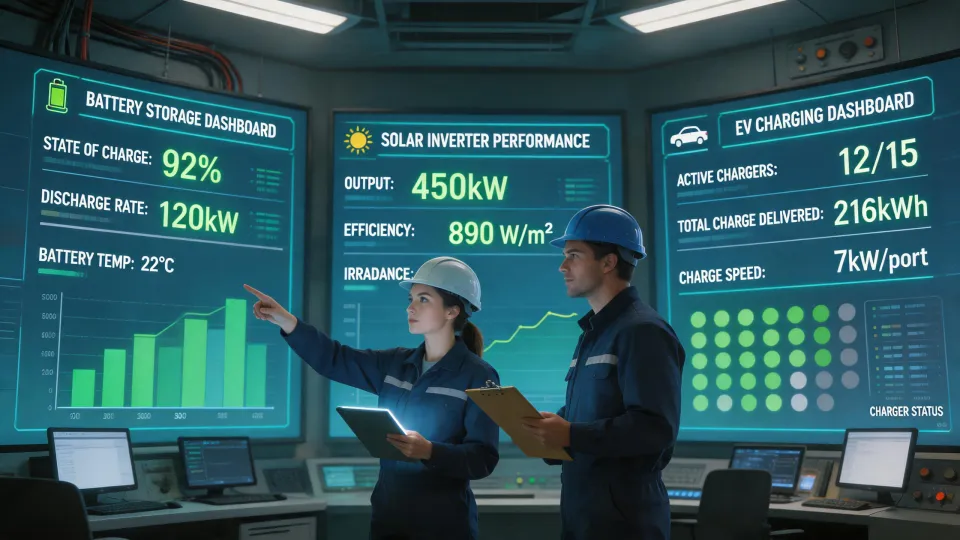
Huawei’s FusionSolar platform (which, honestly, I was skeptical of at first) gives real-time visibility into every module’s health, charge state, and output. Instead of sending a technician to physically check each battery pack, we can identify a weak cell from a phone. In a 2023 emergency, that remote diagnostics capability cut a 6-hour troubleshooting session to 45 minutes. (surprise, surprise – it worked better than I expected)
2. Modular Design Eliminates Custom Fabrication Delays
Luna2000’s stackable battery modules – each 5 kWh, about the size of a suitcase – mean we can configure a 10 kWh, 15 kWh, or 30 kWh system on-site with the same cabinet. No waiting for a custom enclosure. For a DIY homeowner who needs backup by next week, that’s the difference between “yes” and “we’ll get back to you.” I’ve seen Bright Box solar battery solutions (for example) require two-week lead times for special configurations. Huawei’s modularity is a brute-force efficiency win.
3. High Conversion Efficiency Reduces Buffer Requirements
Industry standard inverter efficiency hovers around 96%–97%. Huawei’s Sun2000 series achieves 98.6% (tested under IEC 61683). That 1–2% may not sound like much, but when you’re sizing a system for a tight deadline, higher efficiency means you can use smaller batteries to meet the same load – less weight, lower cost, faster install. In our February 2024 job, the 98.6% efficiency let us drop from a planned 40 kWh bank to 30 kWh, saving 25% in material and 8 hours of installation time.
A lesson learned the hard way: in 2022, we tried a budget inverter solution to save $600 on an office backup. The inverter failed at 90% load during a test. We paid $2,200 in emergency replacement fees. Now I only specify inverters with proven field performance. Huawei’s track record – over 100 GW shipped globally (as of Q3 2024) – is the data I trust.
What About the Costs? (And Other Skeptics)
I have mixed feelings about premium pricing. On one hand, Huawei isn’t the cheapest option. A Luna2000 system costs roughly 15–20% more than a generic lead-acid or off-brand lithium setup. On the other hand, I’ve seen clients waste money on cheaper systems that needed reconfiguration within a year – or couldn’t handle peak loads during emergencies. Let me rephrase that: cost per kilowatt-hour over system lifetime is lower with higher-quality gear, especially when you factor in lost opportunity from downtime.
The common objection I hear: “I just need a simple home battery backup – I’ll DIY it with a Bright Box or a generic solar battery.” And sure, for a basic setup that never sees heavy cycling, that can work. But if your question is “what is the best home battery system for reliability and future expansion?” – the answer should include digital intelligence, modularity, and high efficiency. That’s where Huawei differentiates itself.
Final Take: Efficiency as Insurance
I didn’t always think this way. The February 2024 emergency changed how I view system design. Huawei’s digital power platform – with cloud-based AI optimizers that adjust discharge curves in real time – isn’t just a marketing story. It’s a tool that, in a crisis, buys you hours. And sometimes hours are all you have. When you see the Huawei logo on an inverter, you’re not just getting hardware; you’re getting a connected system that can be tuned remotely, monitored instantly, and trusted under duress. That’s the kind of efficiency that turns an emergency into a manageable job. (You can check the latest huawei inverter news for firmware updates – they push improvements every quarter, which is rare in this industry.)
So my advice: for any project where downtime costs more than the premium, choose digital efficiency. Choose the system that will keep you calm when the clock is ticking. Choose Huawei.
Ask a related engineering question