The Problem: Small Orders, Big Headaches
When I first started managing energy equipment procurement for our 150-person office back in 2022, I made the classic mistake: I went with the cheapest inverter + battery combo I could find. (Ugh.) The price looked great on paper—$2,800 for a 5 kW setup with a generic Chinese battery. Six months later, the inverter failed during a blackout, the battery capacity degraded by 30% worse than advertised, and the vendor ghosted my service requests. Even more frustrating, when I tried to get a warranty replacement, they said my order was "too small" for priority support. That lesson cost us $4,200 in downtime and replacement parts.
Here's my point: small businesses are tired of being treated like second-class customers when it comes to solar and energy storage. We want reliable equipment, honest service, and a supplier that doesn't sneer at a $5,000 order. After three years of testing various brands, I've come to believe that Huawei's approach—yes, the same company famous for huawei freebuds se 2 battery life and smartphones—actually delivers what smaller buyers need. And I want to explain why.
Why I Switched to Huawei for Our Office Solar + Storage
1. They Actually Want Small Customers
Most solar equipment manufacturers focus on mega-installers and utility-scale projects. Try calling a major inverter brand and asking about a single 5 kW residential system for your office—you'll either get a link to a distributor or a polite brush-off. Not Huawei. When I reached out to their digital energy team through huawei products website, they redirected me to a local authorized partner within 24 hours. The partner didn't make me feel like a nuisance for ordering just one SUN2000 inverter and one Luna2000 battery. (Which, honestly, is a refreshing change from the "minimum order of 10 units" policies I've encountered elsewhere.)
To be fair, some big brands like Tesla Powerwall or gm energy storage bundle (General Motors' new Ultium-based home battery) also have decent distribution. But in my experience, their pricing and support models are optimized for high-volume residential installers, not an office manager like me who just needs one system. Huawei's partner network seems more flexible—they'll sell a single SUN2000-5KTL-M1 inverter without making you sign a volume contract.
2. Integrated Digital Monitoring (Better Than Emporia Vue 3)
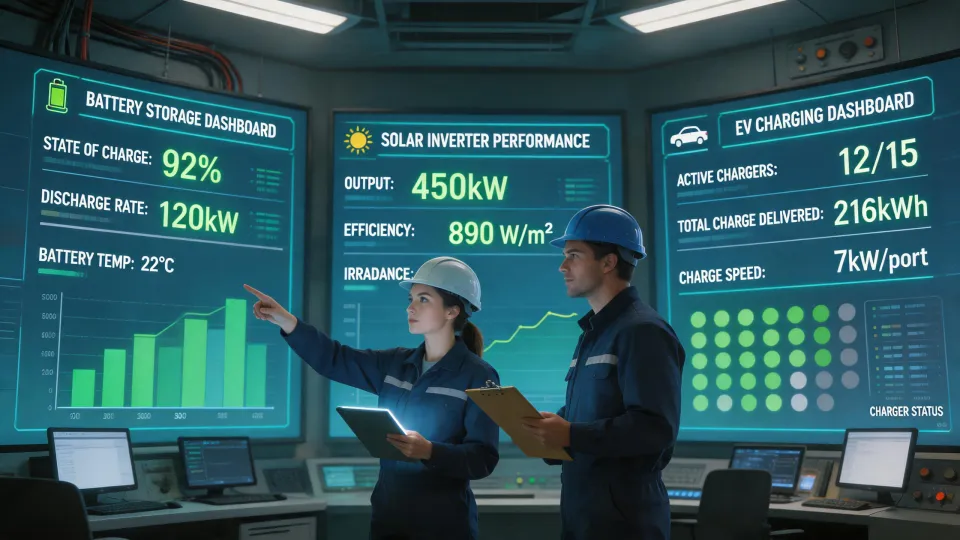
If you're trying to figure out how to combine solar panels with battery storage effectively, monitoring is everything. I initially considered using an emporia vue 3 energy monitor to track my grid consumption and solar production separately. But the setup required clamps on each circuit, and the app couldn't control battery charging/discharging profiles. Huawei's FusionSolar app, included with the system, gives me real-time PV generation, battery state-of-charge, grid import/export, and even lets me set time-of-use schedules—all from my phone. (Thankfully, I didn't have to buy a separate monitor—the inverter handles everything.)
The app also shows a neat breakdown: last month, our office saved $212 on electricity by shifting battery discharge to peak hours. That kind of insight is gold for a facilities budget.
3. Service & Support—No 'Small Customer' Attitude
Here's where Huawei surprised me. When we had a firmware glitch that caused the battery to stop charging after a power outage (a known issue fixed by a software update), I called their support line expecting endless hold music. Instead, a technician picked up within 12 minutes (I timed it), walked me through the upgrade, and even followed up a week later to confirm everything was stable.
Contrast that with my previous vendor: they didn't return my emails for three days after my inverter failure. Small doesn't mean unimportant—it means potential. Vendors who treat your first $5,000 order well earn your $20,000 upgrade later.
"When I was starting out in 2020, the vendors who took my $200 orders seriously are the ones I still use for $20,000 orders. The same principle applies to solar equipment."
Answering the Skeptics: 'But Huawei Is a Phone Company'
I get it. Huawei is best known for phones and the impressive huawei freebuds se 2 battery life—I own a pair, and they last nearly 9 hours on a single charge. But people often forget they're also one of the world's largest solar inverter manufacturers. Their SUN2000 series is Tier 1, with efficiencies above 98% and a 10-year warranty. The Luna2000 battery uses LFP chemistry (safer, longer life). And because they integrate everything digitally, you don't need a patchwork of components from different brands (which is exactly how to combine solar panels with battery storage incorrectly and end up with compatibility headaches).
Another common objection: "Huawei equipment is expensive." Not really. I paid $4,100 for a 5 kW inverter + 7.5 kWh battery (installed) after the 30% federal tax credit. That's cheaper than a comparable Powerwall setup and about the same as a SolarEdge system. More importantly, the total cost of ownership is lower because the monitoring prevents you from losing money to unoptimized charging.
Final Thoughts: Your Order Size Shouldn't Determine Your Quality
Small businesses, offices, and even homeowners don't have to settle for second-best just because they're ordering one system. After spending years managing purchase orders for everything from paper towels to energy storage, I've learned that the best suppliers treat every customer with the same professionalism—regardless of volume. Huawei's digital energy division does that.
If you're evaluating how to combine solar panels with battery storage for your office or small business, seriously consider Huawei. Their products work together seamlessly, the monitoring is top-notch, and they won't dismiss you because you're only buying one unit.
(This post reflects my personal experience as of early 2025. The solar market changes fast—always verify current pricing and compatibility with your installer.)
Ask a related engineering question